
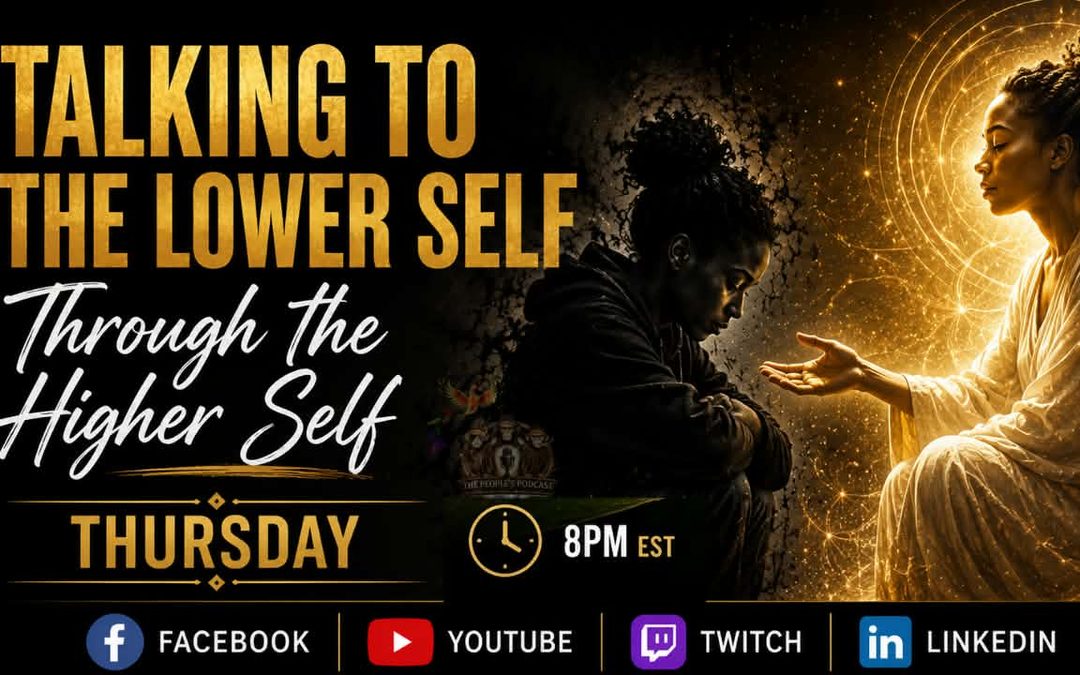
Personal growth means looking at every part of ourselves. Some parts make us proud. Others show us where we still have room to grow. We can be loving, compassionate, confident, and emotionally aware while still experiencing fear, anger, or insecurity. Sometimes our reactions happen before we understand where they are coming from. Talking to the Lower Self Through the Higher Self is about becoming aware of both sides. Growth doesn’t require us to deny either one.
The Higher Self can represent the part of us that responds through awareness, wisdom, compassion, purpose, and accountability. The Lower Self may appear when we respond through fear, ego, insecurity, anger, survival, impulsiveness, or old emotional patterns. Neither exists completely separate from the person we are. Both can tell us something about our experiences, our development, and the ways we have learned to navigate the world.
Understanding the relationship between them gives us an opportunity to examine our reactions instead of simply judging ourselves for having them.
Talking to the Lower Self Through the Higher Self Begins With Awareness
Have you ever experienced a reaction that seemed much larger than the situation that caused it? Someone disagrees with you and it immediately feels like a personal attack. A healthy relationship begins developing and suddenly you feel uncomfortable. Someone gets emotionally close and your instinct is to create distance. An opportunity arrives that you have been waiting for, yet you begin convincing yourself that you aren’t ready.
Those responses may not originate entirely from what is happening in the present moment. Sometimes the Lower Self is responding to something it remembers, something it learned, or a survival response that once served a purpose. Experiences involving rejection, instability, abandonment, betrayal, or fear can influence how we interpret situations long after the original experience has ended.
A behavior can remain long after the circumstances that created it are gone. This is why awareness matters. Instead of immediately asking, “What’s wrong with me?” the Higher Self can ask, “Where did this response come from?” That shift creates room for understanding while still allowing us to remain accountable for what we choose to do next.
Talking to the Lower Self Through the Higher Self Means Listening
People naturally want uncomfortable emotions to disappear. Anger, jealousy, fear, insecurity, shame, attachment, and the need for control can be difficult to acknowledge, especially when we believe we should have already healed from the experiences connected to them. Suppressing those emotions may temporarily make them quieter, although it doesn’t necessarily explain why they continue returning.
Talking to the Lower Self Through the Higher Self encourages curiosity instead of immediate rejection. The Higher Self can examine what the Lower Self may be trying to protect. A need for control may have developed during a period when life felt completely unpredictable. Difficulty trusting may be connected to experiences where trust repeatedly resulted in disappointment or pain. Pushing people away may have developed when emotional distance felt safer than experiencing another loss.
Understanding where a behavior originated does not automatically make that behavior healthy or acceptable. Understanding gives us information. Once we know what a reaction is connected to, we have a better opportunity to decide whether that response still belongs in our present life.
The Lower Self Isn’t the Enemy
Healing can become complicated when we begin treating our former selves as people we should be ashamed of. The version of you who reacted differently years ago may not have possessed the awareness, resources, support, or emotional tools you have today. Some behaviors we now recognize as unhealthy may have originally developed as ways of surviving difficult circumstances.
The Lower Self may continue using those old forms of protection simply because they are familiar. The Higher Self can acknowledge why those responses developed while recognizing that they do not have to remain permanent. This creates an internal relationship based on understanding rather than constant self-rejection.
Consider how you might speak to a younger version of yourself who learned that the world wasn’t always safe. Criticizing that younger version for being afraid would do very little to create security. A more compassionate response would acknowledge why the fear developed while helping that younger version understand that the circumstances have changed. The Higher Self can offer that same guidance internally. We can understand why we learned a behavior and still decide that we no longer need to respond in the same way.
Free Will: Choosing What Happens Next
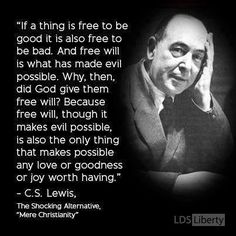
There are many perspectives surrounding why certain people, circumstances, lessons, and repeating experiences become part of our lives. Some spiritual beliefs include the idea of a soul contract, where particular experiences or relationships may contribute to the development of the soul. Other perspectives understand human behavior primarily through environment, biology, upbringing, circumstances, and personal choice. These viewpoints do not have to prevent us from having a meaningful conversation about what happens once awareness enters the picture.
Even if we believe an experience was part of a larger lesson, we still have decisions to make within that experience. We can continue repeating familiar patterns, ignore what we have recognized, or examine how our own choices and responses contribute to what happens next. Awareness gives us the opportunity to respond differently.
Free will does not necessarily mean controlling everything that happens in our lives. Many circumstances are outside our control. Free will can also be understood as the ability to decide what we do with what has happened. The Lower Self may respond according to what it has always known, while the Higher Self can recognize that familiarity does not automatically mean something needs to continue.
Talking to the Lower Self Through the Higher Self and Generational Trauma
Not every belief or behavior we carry necessarily began with us. Families pass down traditions, values, habits, and ways of understanding the world. They can also pass down fear, silence, survival strategies, relationship patterns, and beliefs about love, money, parenting, gender, strength, vulnerability, and emotional expression.
Statements such as “don’t talk about family business,” “men don’t cry,” “women are supposed to endure,” or “children shouldn’t question adults” can become deeply embedded family rules. When those messages are repeated across generations, we may eventually experience them as part of our personality without ever questioning where they originated.
Internal conversations create an opportunity to examine those inherited messages. A response we consider completely our own may have been modeled by parents who learned it from their parents, who may have learned it from the generation before them.
Awareness gives us a choice about what happens next. We can honor where we came from without carrying every pattern forward.
Repeating Patterns Can Tell Us Something
Many people have experienced some version of the same situation appearing repeatedly in their lives. The people may change while the relationship dynamics feel familiar. The workplace changes while the same conflict appears. Years pass, yet a particular emotional wound continues being activated.
There are different ways to understand these patterns. Some people interpret them spiritually through ideas involving reincarnation, karmic cycles, soul lessons, or ancestral energy. Psychology may examine similar repetition through attachment, conditioning, trauma, learned behavior, and our tendency to return to what feels familiar.
Regardless of the framework someone chooses, repeated patterns can give us information. A person raised around instability may become so accustomed to chaos that peace initially feels uncomfortable. Someone who experienced inconsistent affection may later associate emotional unpredictability with love. Another person may repeatedly create distance when relationships become emotionally intimate because distance once provided protection.
The Higher Self gives us the ability to notice these patterns and ask why they continue appearing. Instead of only asking why something keeps happening to us, we can also examine what keeps drawing us toward familiar responses, relationships, or environments.
Talking to the Lower Self Through the Higher Self Isn’t About Perfection
Connecting with the Higher Self does not mean becoming a person who never experiences anger, fear, insecurity, jealousy, or emotional triggers. Awareness does not remove our humanity, and personal growth does not require perfection.
Growth can be found in the space between experiencing an emotion and deciding how we will respond to it. We may recognize that a present situation reminds us of something painful from the past. We may realize that our first instinct is to withdraw, become defensive, or assume the worst. Awareness gives us an opportunity to recognize that reaction before allowing it to determine our next action.
This is another important part of self awareness and communication. The goal is not necessarily to eliminate every trigger. The goal can be developing enough awareness to recognize when an old wound is attempting to make a present-day decision.
Talking to the Lower Self Through the Higher Self Can Help Break Cycles
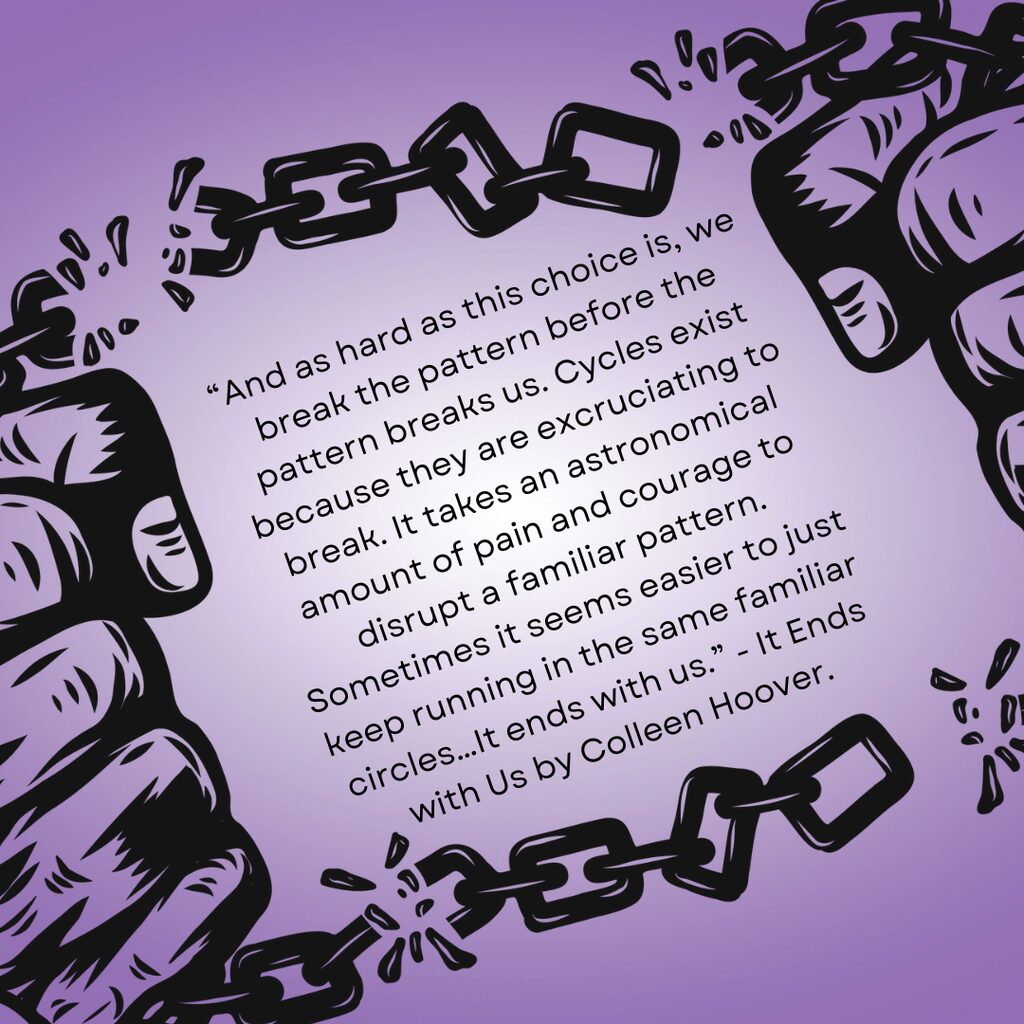
Awareness eventually asks us to do something with what we have learned. Identifying the origin of a pattern is valuable, and changing our relationship with that pattern requires action. We may need to communicate instead of disappearing, listen instead of immediately becoming defensive, establish boundaries, apologize when we have caused harm, or stop confusing familiar chaos with genuine connection.
Breaking a cycle can also mean questioning family beliefs that have existed for generations. We may decide that silence, fear, emotional avoidance, or unhealthy relationship dynamics will not continue simply because they existed before us. Making a different choice does not require us to reject our family or our past. It means becoming conscious of what we are carrying into the future.
The Higher Self can recognize what the Lower Self was attempting to protect while providing a healthier way forward. That process allows understanding and accountability to exist together.
Integration Instead of Rejection
Perhaps becoming whole is less about eliminating pieces of ourselves and more about understanding how those pieces became part of us. The wounded version, frightened version, protective version, younger version, wiser version, and person we are becoming all belong to the same human experience.
The Higher Self does not have to stand above the Lower Self in judgment. It can recognize that some behaviors developed during periods when we were doing the best we could with the awareness and resources available to us. As our awareness changes, our choices can change too.
Talking to the Lower Self Through the Higher Self can become an internal conversation rooted in understanding, accountability, compassion, and conscious choice. Instead of spending our lives fighting pieces of ourselves, we can learn what those pieces are trying to tell us and decide what still belongs on the journey forward.
Join the Conversation: Talking to the Lower Self Through the Higher Self
This Thursday at 8 PM EST, The People’s Podcast is opening the conversation Talking to the Lower Self Through the Higher Self. We will explore the Higher Self, the Lower Self, free will, soul contracts, repeating patterns, generational trauma, inherited behaviors, accountability, and the different ways people understand healing and personal growth.
Some people may approach this conversation spiritually, while others may see it psychologically or through their own lived experiences. There is room for those different perspectives. The People’s Podcast isn’t about telling people what to think. It is about creating space where people can bring their experiences, questions, perspectives, and voices into the conversation.
Continue the conversation with us at unseentwistedtruths.com.
We’re the ears that listen, where your opinion matters. And so does your story, because you matter.
Asè